
Interactive
museum exhibitions
Engage visitors, increase revenue, and enhance
experiences with innovative technology.
What is ar & ar
for museums?
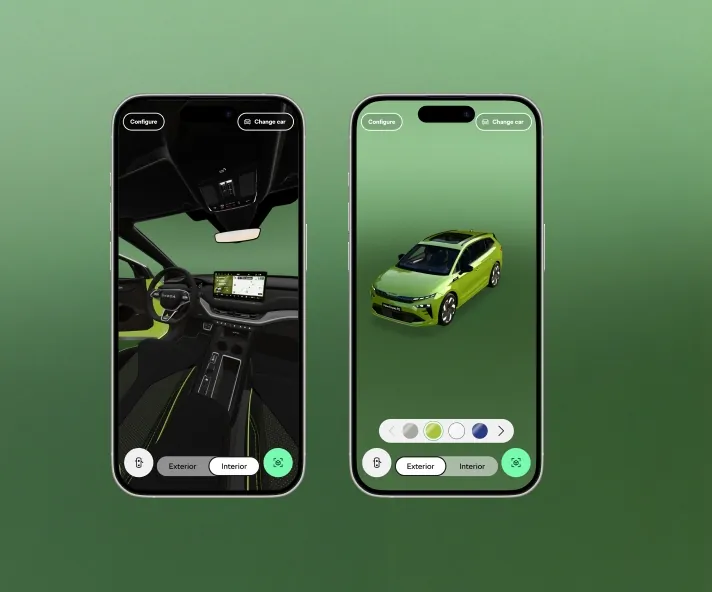
Revolutionize how visitors interact with exhibitions using AR/VR tools. By integrating augmented and virtual reality, museums can create immersive experiences that enhance learning, storytelling, and interactivity. Visitors can step into virtual worlds, explore historical events, or interact with 3D models of artifacts, transforming traditional exhibits into dynamic, engaging journeys that captivate audiences of all ages.
OUR ar/vr solutions for museums
1. AR guided tour
AR/VR attracts younger, tech-savvy audiences by transforming exhibits into immersive, interactive experiences. These tools blend education and entertainment, making museums more engaging and dynamic for the digital generation.
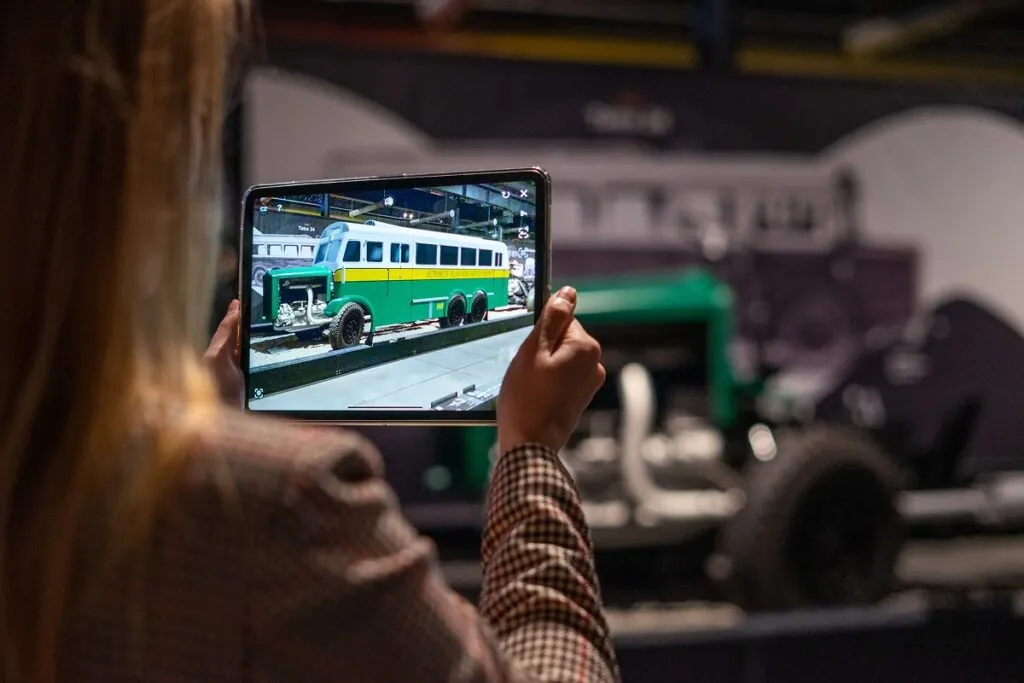
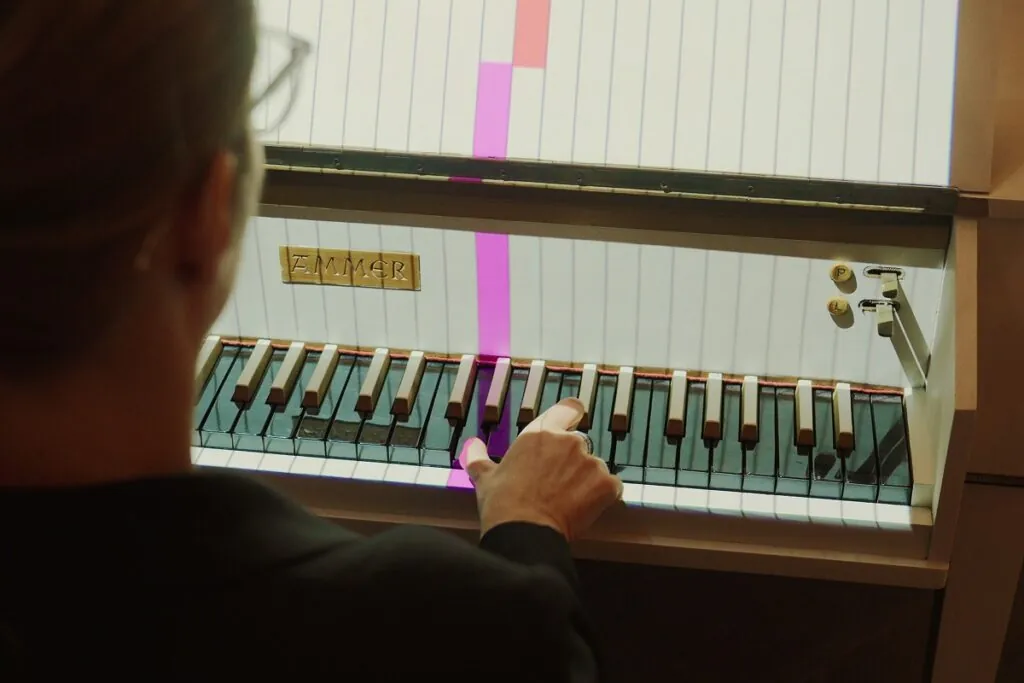
2. AR objects & environments
AR provides an interactive experience of a real-world environment where the objects reside in the real world.
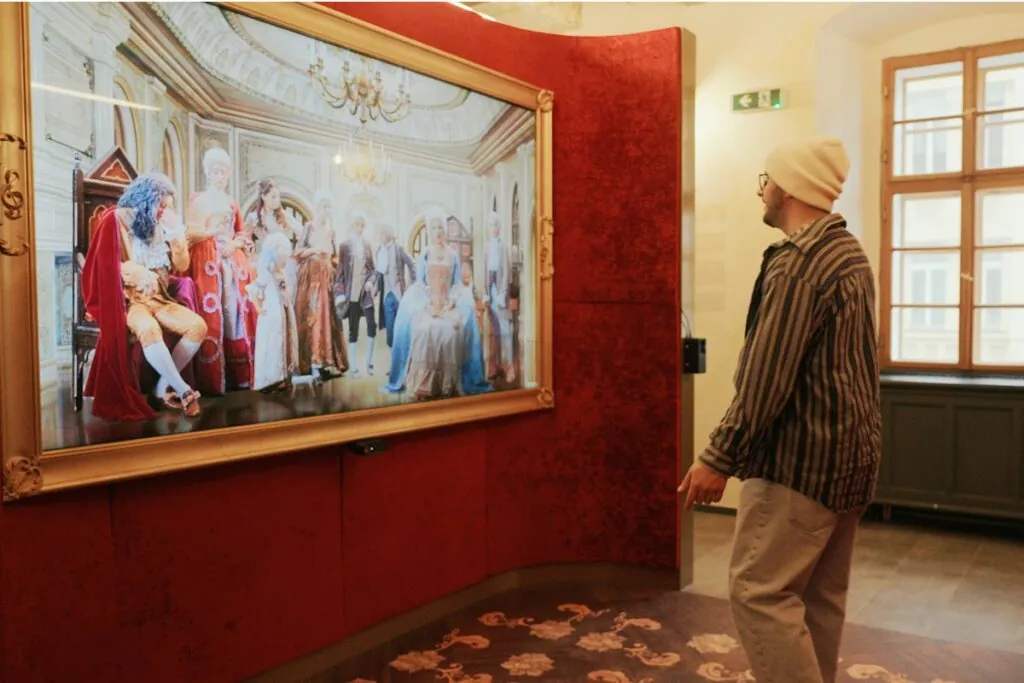
3. Interactive screens/walls
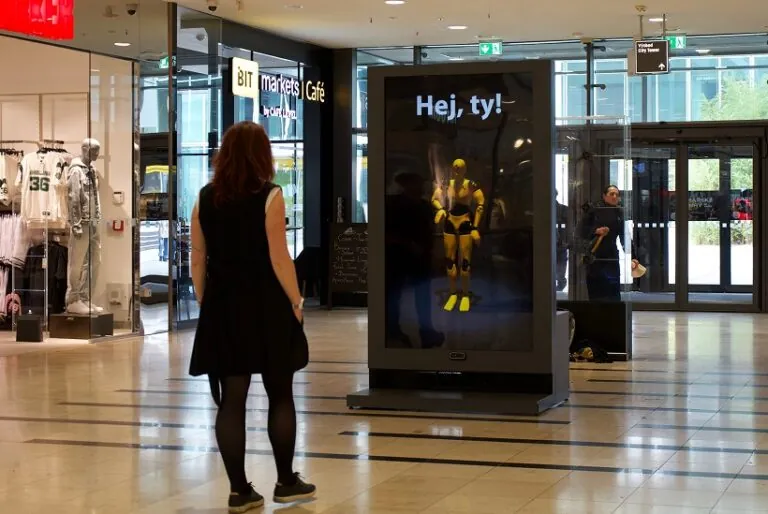
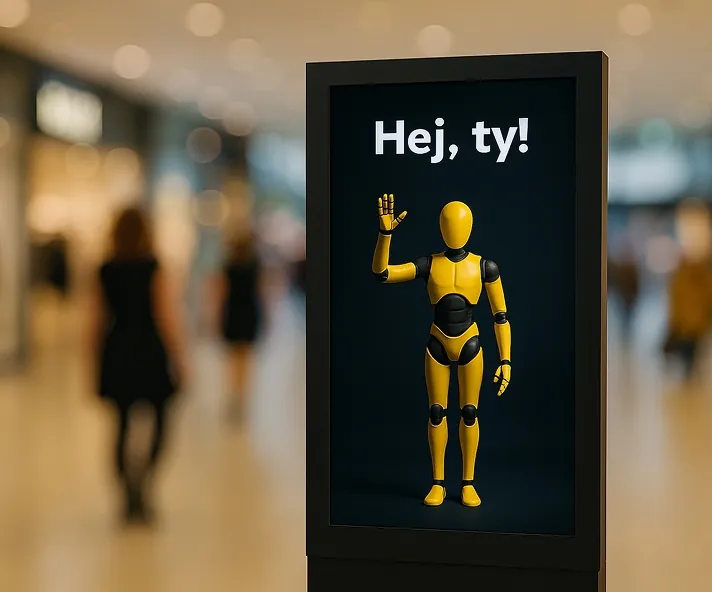
Interactive screens allow visitors to interact with an exhibition engagingly and create new content.
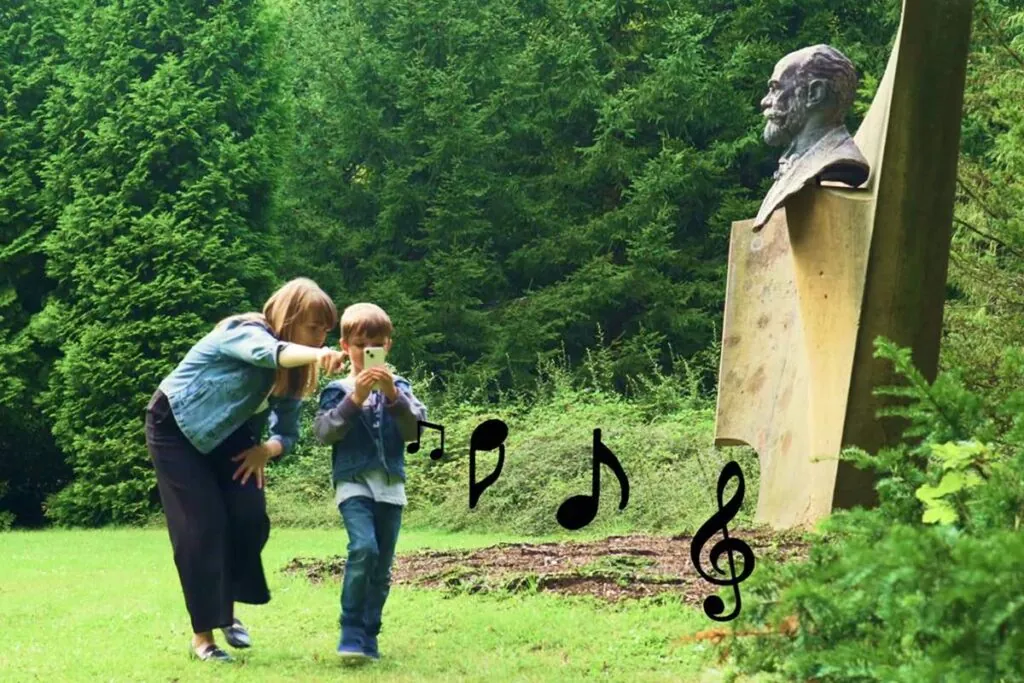
4. AR kids games
Interactive AR games help kids better understand and memorise the museum’s topic.
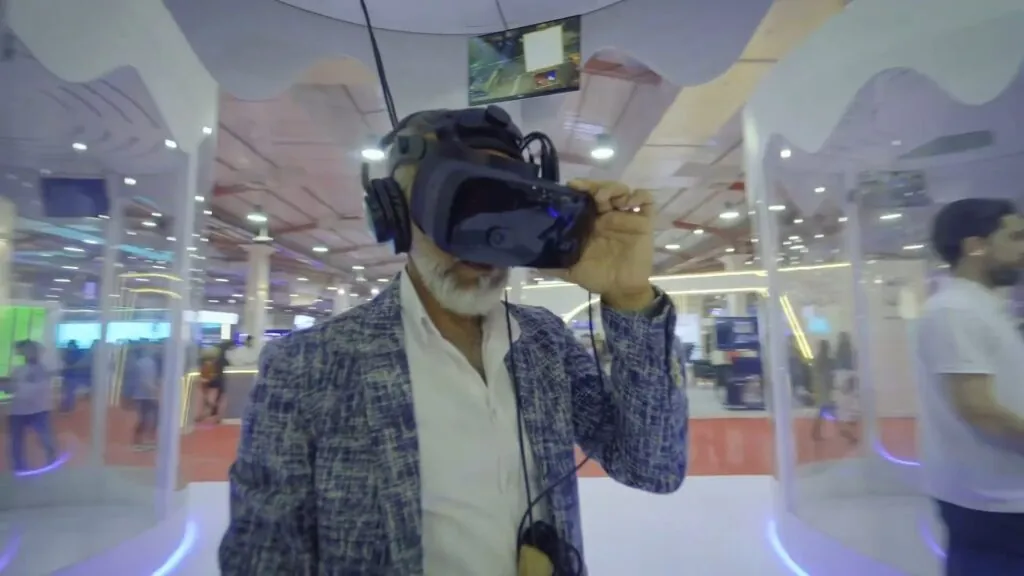
5. VR objects & environments
VR places the user inside an experience. It can be an interactive solution or take the form of a 360-degree video.

6. VR exhibition
Virtual Reality exhibitions showcase artworks in virtual spaces, allowing people to visit museums from anywhere.
EXAMPLES OF AR/VR
IN MUSEUMS
“We work in the fields of UI/UX design, interiors, photography and art direction. ”
The Benefits of AR/VR for Museums
attract new visitors
Immersive art museum installations and immersive experiences deepen emotional resonance and visitor retention. Studies show interactive digital exhibits can increase dwell time by up to 40%, especially among younger audiences seeking participatory learning.
Accessibility & Global Reach
VR museum tours allow anyone, anywhere, to explore collections in photorealistic quality. For heritage sites and galleries, this means new audiences, educational reach, and inclusive access beyond physical limits.
AR guided tour
Enhance customer satisfaction with AR/VR experiences—85% of visitors report feeling more engaged and connected to exhibits. These immersive tools create memorable interactions, boosting overall enjoyment and loyalty.
Educational Innovation
In immersive science museums, VR and AR bring complex concepts to life, from molecular structures to cosmic simulations. Interactive learning fosters curiosity and understanding across age groups, making exhibitions both educational and entertaining.
Preservation & Sustainable Exhibition Design
By digitalising artifacts and developing AR/VR museum solutions, institutions reduce the wear on physical collections and create reusable, sustainable exhibition frameworks. Virtual curation also supports ongoing research and digital archiving.
Expanded cultural experiences
AR and VR open new dimensions of storytelling for museums. Visitors can step inside historical moments, explore unseen artifacts, or interact with digital exhibits that bring culture and knowledge to life. These immersive layers transform passive observation into active discovery — making learning more engaging, accessible, and unforgettable.
Frequently asked questions
How We Help You Transform Your Museum
1.What is an immersive art museum experience?
An immersive art museum uses technologies like VR, AR, and interactive projection to transform traditional exhibitions into multi-sensory experiences. Instead of just viewing artworks, visitors can step inside them, exploring, touching, and interacting in new ways that blend art, light, and digital storytelling.
2.How does VR enhance museum experiences?
VR museums allow visitors to explore exhibitions beyond physical limits: walking through historical scenes, meeting lifelike figures, or traveling through digital art spaces. At YORD, we design VR museum tours that expand accessibility, attract younger audiences, and extend the museum’s reach globally through immersive storytelling and gamified education.
3.What’s the difference between an immersive museum and a traditional one?
Traditional museums focus on static displays, while immersive museums invite participation. Using AR, VR, and spatial audio, they turn learning into an experience: guiding visitors through interactive narratives and environments. This approach increases visitor engagement, time spent in exhibitions, and overall educational impact.
4.Can immersive technologies be applied to science museums too?
Absolutely. Immersive science museums use real-time simulations, VR labs, and interactive experiments to make science tangible. From exploring the solar system in VR to interacting with molecules through AR, YORD helps museums create educational experiences that spark curiosity and make complex concepts unforgettable.
5.How can museums start creating immersive or VR-based exhibits?
The process begins with understanding your museum’s story. YORD’s XR experts design custom AR and VR museum solutions: from concept and 3D modeling to hardware setup and interactive software. Whether it’s a VR museum tour, AR exhibit guide, or full immersive installation, we ensure every project enhances visitor engagement and fits seamlessly into your museum’s mission.
Got a vr idea? Make it reality.
Simply send us a message through a form or call us directly if you prefer. We will get back to you within 24 hours.
By clicking the "send" button, I agree with collecting and processing my personal data as described in the Privacy Policy.